
Protection & Control Architecture
Operational stability depends on coordinated visibility, controlled response structures, and aligned protection
environments capable of sustaining continuity across active technical conditions.
Structured control environments across monitored operational layers.
Active Control Layers
Visibility Zone
Monitoring continuity across connected operational movement and environmental activity.
Response Alignment
Coordinating structured reaction pathways between active monitoring and deployment conditions.
Workflow Containment
Maintaining organized operational boundaries during ongoing implementation activity.
Infrastructure Stability
Supporting continuity across interconnected technical environments and controlled execution layers.
Coordination Oversight
Preserving aligned operational movement between communication,
monitoring, and implementation systems.
The Architecture Visual
Control systems are not isolated components. They operate through connected
visibility, structured coordination, and monitored operational continuity.
Detection
Coordination
Operational Alignment
Controlled Response
Continuity Preservation
Structured response environments reduce operational disruption through aligned monitoring
and coordinated execution pathways.

Environmental Stability
Stability within operational environments is sustained through coordinated visibility, monitored activity structures, and controlled alignment between protection systems and active infrastructure conditions.
Explore Response Coordination
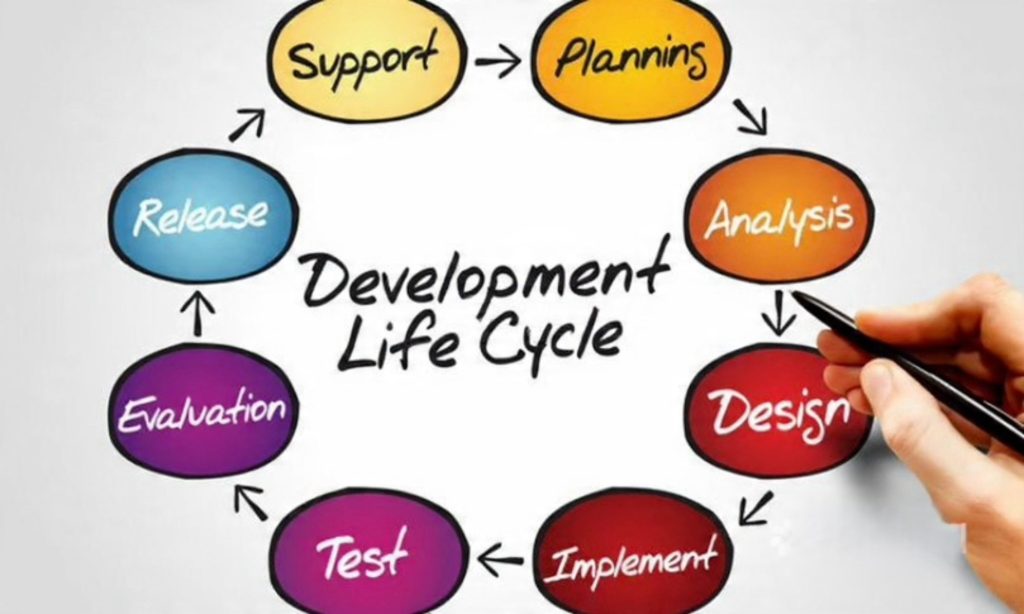
Connected Operational Control
Protection architecture continues beyond visibility.
it extends into coordination continuity, monitored execution, and evolving operational oversight environments.
View Operational Stability
